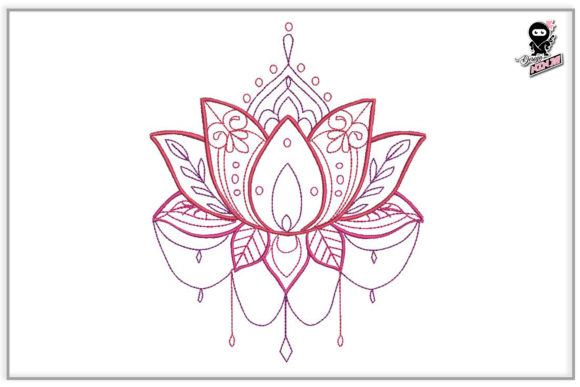
Celestial Lotus Embroidery
First Impression: Elegant, Modern, and Quietly Mystical
As an embroidery designer who’s prepped over 200 craft fair booths—and shipped thousands of embroidered tote bags, tea towels, and patches—I’ll tell you straight: Celestial Lotus Embroidery lands with quiet confidence. It’s not loud or cartoonish. It’s not rustic or farmhouse. It’s elegant with a modern spiritual edge—think moon phases meeting botanical line work. The name alone signals intention: “celestial” hints at depth and timelessness; “lotus” suggests growth, grace, and handmade reverence. For boutique makers and Etsy sellers targeting mindful shoppers, wellness brands, or gift buyers seeking meaning—not just decoration—this design reads as premium before the needle even moves.
Where It Shines: Craft Fair & Handmade Market Realities
In a crowded booth full of bright patches and floral tees, Celestial Lotus Embroidery stands out by *not* shouting. It draws people in for a second look—especially on natural-fiber products. Here’s where it truly converts:
- Tote bag design: Centered on a heavyweight cotton tote (14–16 oz), it reads beautifully at 4.5" wide—large enough to be legible from three feet away, small enough to preserve fabric drape.
- Apron embroidery: Placed just above the pocket or subtly on the bib, it adds artisanal weight without overwhelming utility. Customers associate this placement with “made-with-care” craftsmanship.
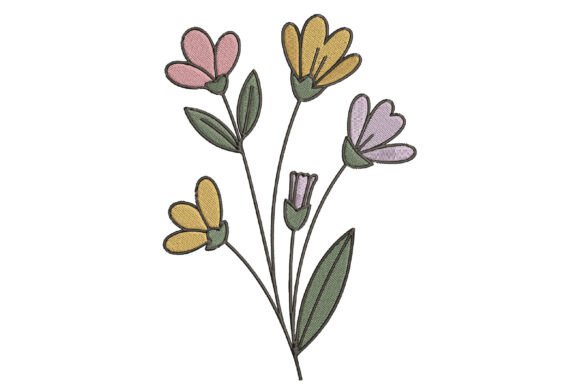
- Tea towel embroidery: Works best on linen-cotton blends. The outline style (as noted in its Outline Flowers category) avoids bulk, so stitches lie flat—even after repeated washing.
- Embroidered patch: Clean lines translate well to iron-on or sew-on patches. At 2.75", it retains clarity and reads as intentional branding—not clipart.
- Pillow cover & fabric pouch: These are high-margin, low-volume craft fair winners. Celestial Lotus Embroidery elevates them instantly—no extra embellishment needed.
What Holds It Back (And How to Fix It)
This isn’t a “drop-in-and-stitch” file for every surface. As a working embroidery designer, I’ve seen too many beautiful machine embroidery designs fail on caps, dark fabrics, or textured towels. Here’s what to watch:
- Dense stitch areas: Even as an outline, lotus petals may carry subtle fill gradients or tapered satin stitches. Check your embroidery file for stitch density—if it exceeds 12,000 stitches, test on scrap first. High density = puckering risk on lightweight cotton.
- Curved surfaces: Avoid placing Celestial Lotus Embroidery on the front of structured caps unless you’ve confirmed hoop compatibility and use tear-away + cut-away stabilizer combo.
- Small sizes: Below 2", delicate petal tips and celestial motifs lose definition. Use it as a focal—not an accent—at under 3".
- Dark or textured fabric: On black linen or waffle-weave tea towels, contrast matters. Stick to metallic silver, soft gold, or ecru thread colors—not pastels—to preserve legibility.
Selling Power: Why Buyers Pause, Photograph, and Purchase
In person, Celestial Lotus Embroidery works because it feels *designed*, not downloaded. Customers don’t ask, “What is that?” They say, “I need that on my yoga mat bag.” That emotional resonance translates directly to booth traffic and online conversion. On Etsy, it performs strongest in listings with clean printable mockups—especially lifestyle shots showing the design on a folded tea towel beside dried lavender or on a canvas tote beside ceramic mugs. Its elegance supports higher price points: a $38 embroidered market bag feels justified when Celestial Lotus Embroidery anchors the story.
For small shop owners building brand consistency, this design scales effortlessly across product types—same motif, different context. No need for matching fonts or secondary graphics. It becomes your visual signature.
Production Notes Every Embroidery Designer Should Run Before Booth Day
You wouldn’t launch a new handmade product without testing. Neither should you trust a digital embroidery file blindly. Here’s my non-negotiable checklist:
- Test on scrap fabric—same weight and weave as your final product.
- Check thread contrast against 3 fabric colors (light, medium, dark) before cutting production runs.
- Review spacing: Are petal ends floating too close to seam allowances? Adjust placement if stitching near edges.
- Confirm hoop size—some versions of this design require a 5x7 hoop minimum. Don’t assume.
- Inspect stitch density visually in your embroidery software—look for overlapping satin columns or excessive jump stitches.
- Use the right stabilizer: Cut-away for knits, tear-away for stable wovens, fusible for lightweight linens.
- Create at least one real mockup—not digital. Hang it on your booth display rail and walk away. Does it hold attention at 6 feet?
- Compare fabric colors side-by-side: natural undyed linen vs. oatmeal vs. heather grey. One shade shifts the whole mood.
- Confirm commercial licensing before selling finished products—this is critical for Etsy sellers and wholesale partners.
Final Thought: A Design That Sells Because It Feels Human
Celestial Lotus Embroidery doesn’t rely on trend-chasing. It leans into stillness, symbolism, and skilled execution—the very qualities handmade customers seek. In a sea of fast craft, it whispers intention. That makes it ideal for craft fair sellers who want repeat buyers, not one-time browsers. It strengthens booth displays, deepens brand voice, and turns simple cotton into keepsake-worthy finished product. Just remember: elegance demands precision. Test. Refine. Repeat. Then watch it sell—not because it’s flashy, but because it feels true.