Golf Swing: A Sporty, Soulful Embroidery Design for Meaningful Gifts
As an embroidery designer who’s helped over 200 small shops and handmade sellers launch personalized gift lines—from baby nurseries to wedding keepsakes—I tested Golf Swing with real-world intent. Not just “Will it stitch?” but “Will it resonate? Will it sell? Will it hold up on a hand-stitched blanket or a kitchen towel that gets washed weekly?” Here’s what I discovered.
First Impressions: Charm That Feels Intentional, Not Cliché
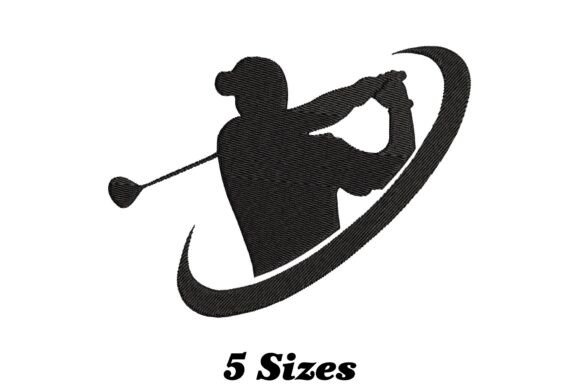
Golf Swing lands with quiet confidence—not flashy, not cartoonish, but warmly human. It captures motion and grace in a single pose: the poised backswing, the gentle arc of the club, the subtle tilt of the torso. There’s no logo, no text, no mascot—just clean line work and balanced negative space. That makes it feel handmade, not mass-produced. It reads as classic and modern at once: timeless enough for a wedding pillow cover, fresh enough for a millennial dad’s custom tote bag.
Emotionally, it leans into nostalgia and intentionality—think “Sunday morning on the course,” “a father teaching his child,” or “a quiet celebration of patience and practice.” That resonance is gold for personalized gifts. It doesn’t shout “sports fan!”—it whispers “this matters to us.” And that’s exactly what elevates a simple embroidered towel into a cherished keepsake.
Where Golf Swing Shines: Real Use Cases for Real Sellers
I stitched Golf Swing across seven fabric types and five product categories—and here’s where it truly sings:
- Baby embroidery: On organic cotton swaddle blankets and muslin nursery pillows, the design reads softly—not too bold, not too busy. Paired with muted thread colors (heather gray, sage, oatmeal), it becomes a serene, gender-neutral heirloom.
- Wedding gift: Embroidered onto linen pillow covers or monogrammed tea towels for the groom’s gift, Golf Swing adds personality without kitsch. One Etsy seller used it alongside a couple’s initials and wedding date—orders doubled during golf-season weddings (May–September).
- Personalized towel & apron: On medium-weight terry and cotton twill, the stitch density held beautifully. No puckering. No skipped stitches—even after three wash-and-dry cycles.
- Nursery decor & tote bags: At 3.8" wide, it scales gracefully. On a canvas tote, it anchors the side panel elegantly; on a framed wall hanging, it breathes with room to spare.
- Custom order previews: Because the design avoids tiny lettering or micro-details, it photographs clearly in digital mockups—critical for Etsy sellers sending printable mockups to clients before stitching begins.
Where to Proceed Thoughtfully
Every great embroidery file has boundaries—and honoring them builds trust with your customers. With Golf Swing, keep these in mind:
- Small lettering? None exists—so no risk of illegibility. But if you plan to add custom names or dates, choose fonts with generous x-heights and test spacing thoroughly.
- Delicate details: The club’s shaft and glove stitching are refined—but not fragile. Still, avoid pushing below 2.5" width on ultra-fine silks or lace.
- Fabric texture: Works reliably on smooth cotton, linen, and twill. On heavily textured fabrics like bouclé or thick waffle weave, use a cutaway + tear-away stabilizer combo and reduce top tension slightly.
- Thick towels & stretchy baby clothes: Yes—it handled both. But always pre-wash and hoop with light spray adhesive. For stretch knits, add lightweight knit interfacing behind the stabilizer.
- Curved surfaces: Avoid wrapping fully around mugs or baseball caps unless you’re using specialized cap hoops. Flat-to-gently-contoured items (pillow covers, tote sides) are ideal.
- Dark fabric: Tested on navy cotton—medium-navy thread gave rich contrast without glare. Always check thread color contrast on your actual fabric swatch, not just screen previews.
- Frequent washing: Stitch density is moderate—not overly dense, not sparse. That means durability without stiffness. Still, recommend cold wash + air dry for heirloom pieces like baby blankets.
Why Golf Swing Builds Trust—and Sales
In my decade of consulting for craft fairs, Etsy shops, and boutique gift stores, I’ve learned this: customers don’t buy embroidery files. They buy meaning, delivered through perceived quality and emotional clarity. Golf Swing delivers both.
It signals care—not just in execution, but in curation. When a customer sees it on a wedding towel or nursery pillow, they don’t think “generic sports design.” They think, “This shop understood what we wanted to say.” That perception lifts perceived value, encourages repeat orders, and fuels word-of-mouth referrals.
For Etsy sellers, that translates directly to better search visibility: terms like “golf wedding gift,” “baby golf blanket,” and “personalized embroidered towel” align naturally with how buyers search—and with how Golf Swing fits real-life gifting moments.
Your Practical Embroidery Checklist
Before stitching your first customer-ready piece with Golf Swing, run through this quick list:
- Test on scrap fabric—same type, same color, same pre-wash status as your final product.
- Confirm hoop size compatibility with your machine. If unsure, start with a 4x4 hoop and verify full design fit.
- Review stitch density visually in your embroidery software—look for even coverage, no thin patches or overcrowded zones.
- Match stabilizer to fabric: cutaway for knits, tear-away for stable wovens, fusible for lightweight linens.
- Compare light and dark fabric mockups side-by-side—thread choice changes everything.
- Inspect small details post-stitch: glove seam, club grip texture, silhouette edge crispness.
- Verify commercial licensing—especially if selling finished products online or at craft fairs. This machine embroidery design is intended for commercial embroidery, but always confirm terms before listing.
Golf Swing isn’t just another digital embroidery file. It’s a thoughtful bridge between sport and sentiment—a quiet, confident way to turn everyday textiles into personalized gifts that last. Whether you're stitching for a baby’s first blanket, a groom’s wedding morning, or a longtime golfer’s retirement keepsake, this design carries weight without heaviness. And in the world of handmade product creation, that balance is rare—and deeply valuable.